Rich People Started Dressing Boring on Purpose and Now We're All Pretending That's Fascinating
For most of human fashion history, the wealthy used clothing to communicate wealth. Silks, furs, elaborate embroidery, visible logos the size of a child's face — the message was consistent and legible: I have money and I would like you to know that immediately upon seeing me.
Then something shifted. Somewhere in the last few years, old money got tired of being obvious about it, new money started aspiring to look like old money, and a movement was born. They called it quiet luxury. They wrote thousands of words about it. They made TikTok videos explaining it. They sold us the dream of looking like you simply cannot be bothered to try, for the low, low price of everything in your checking account.
And America, bless its heart, was absolutely riveted.
What Quiet Luxury Actually Is (A Brief, Painful Summary)
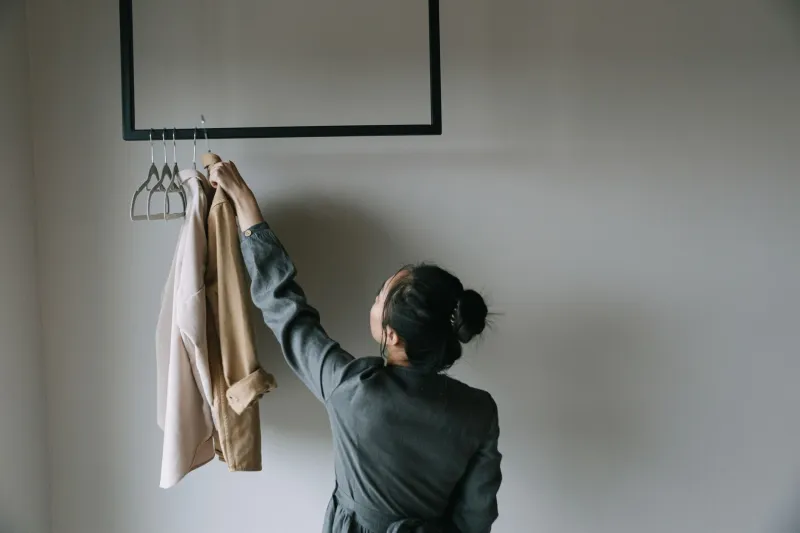
Quiet luxury is, at its core, the practice of wearing very expensive clothes that have been specifically designed to look like they might not be very expensive. Think cashmere in the color of oatmeal. Think tailored trousers that whisper rather than announce. Think a $900 tote bag with no logo, no hardware, no distinguishing features whatsoever — just leather, cut well, priced like a car payment.
The aesthetic was everywhere in 2023. The HBO show Succession got a lot of credit for mainstreaming it. Tom and Shiv and the whole Roy family dressed in a way that said we have so much money that we don't need your attention, which is, paradoxically, an incredibly attention-getting way to dress. Fashion writers lost their minds. Trend forecasters declared it a cultural moment. Pinterest boards proliferated.
The look can be summarized as follows: neutral. Fitted. Expensive. Boring. Deliberately, expensively, aspirationally boring.
The Specific Comedy of Performing Effortlessness
Let's talk about what's actually happening here, because it's genuinely funny if you step back far enough.
The entire premise of quiet luxury is that you are not trying. The clothes are understated. The branding is invisible. The vibe is I threw this on. It's anti-fashion fashion, nonchalance as aesthetic, studied indifference as a style philosophy.
But here's the thing: you are trying extremely hard. You researched the brands. You watched the explainer videos. You read the Reddit threads about which $400 polo shirt has the right weight and drape to achieve the correct level of casual richness. You spent real money and real time constructing the appearance of someone who spent no money and no time.
The effort required to look effortless in the quiet luxury framework is, ironically, enormous. It's just invisible effort, which is apparently the most expensive kind.
This is the fashion equivalent of a restaurant that serves you a tiny piece of fish on a large white plate and calls it minimalist cuisine. The simplicity is the product. The restraint is what you're paying for. And you are paying for it.
The Target Problem
Here is the crisis at the heart of the quiet luxury movement, and it is a crisis that nobody in the trend pieces wants to fully address:
A lot of this stuff looks exactly like things you can buy at Target.
Not all of it. Not the really good cashmere, not the perfectly tailored trousers from a brand that requires an appointment. But the general aesthetic — neutral tones, simple cuts, no visible logos — is not inherently expensive looking. It's just... plain. Plain is accessible. Plain is what happens when you run out of opinions.
This is why quiet luxury requires so much contextual explanation. Without the price tags and the brand knowledge and the understanding of which beige is the right beige, the look is indistinguishable from a person who grabbed whatever was clean. The emperor's new clothes, but make it a $600 merino crewneck.
The wealthy people who actually wear this stuff don't need to explain it because they exist in environments where everyone already knows. Their social context does the signaling for them. For everyone else trying to replicate the look on a non-billionaire budget, the whole thing requires constant annotation — which is the opposite of quiet, and sort of defeats the purpose.
The Aspirational Beige Industrial Complex
None of this stopped the internet from trying, obviously. Once quiet luxury became a trend, the trend machine did what the trend machine does: it made it affordable and accessible and completely stripped of the original context that made it mean anything.
Now there are quiet luxury hauls on YouTube featuring fast fashion pieces in the right color palette. There are quiet luxury "dupes" — which is a sentence that should give everyone pause, because a dupe of something that's supposed to look undistinguished is just... a shirt. There are guides to achieving the quiet luxury aesthetic on a $200 budget, which is technically possible and also completely misses the point, like buying a Rolex-style watch from a gas station display case and telling people you're into understated timepieces.
The trend has been thoroughly democratized, which in this case means it has been thoroughly emptied of whatever meaning it had. When everyone can do quiet luxury, quiet luxury is just beige. And beige has been available at every mall in America for decades.
What Are We Actually Talking About Here?
At its most honest, quiet luxury is a story about class signaling that got too clever for its own good. The rich have always found ways to communicate their status to each other while maintaining plausible deniability to everyone else. The logo was too obvious, so they removed the logo. The look became too democratic, so they made the context the signal instead of the garment.
The rest of us, having been told this is the aspirational aesthetic, are now earnestly trying to look like people who don't care what we look like, using money we definitely care about, to impress people who probably aren't paying attention.
Is that crazy? Is that just fashion? Is there a difference?
The beige trousers would like a word.